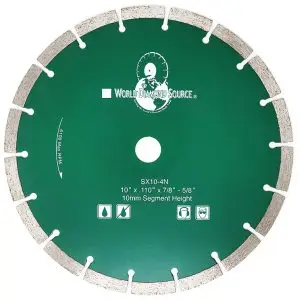
Omnivore® Diamond Blades for Metal
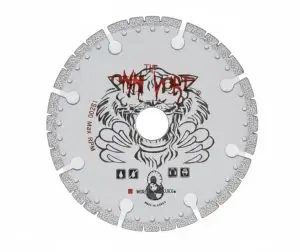
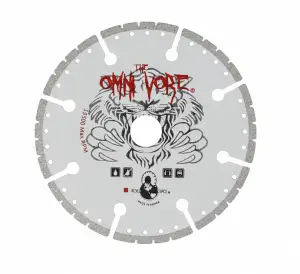
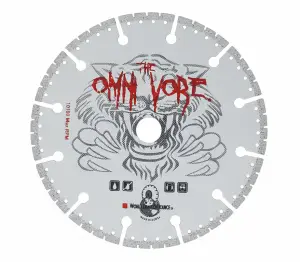
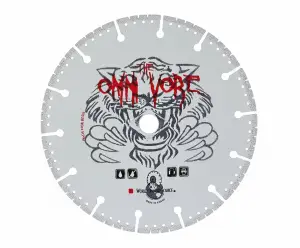
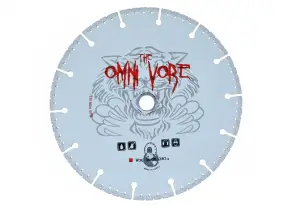
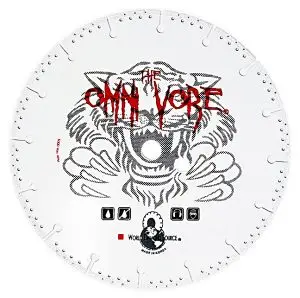
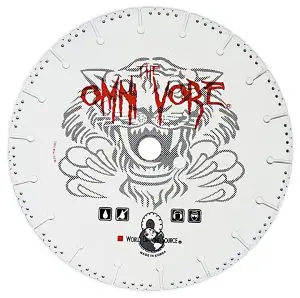
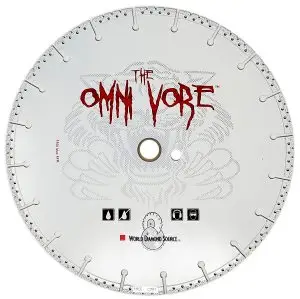
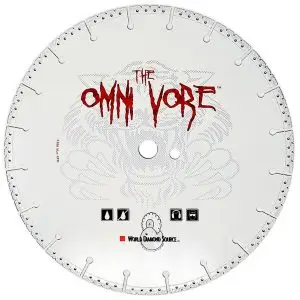
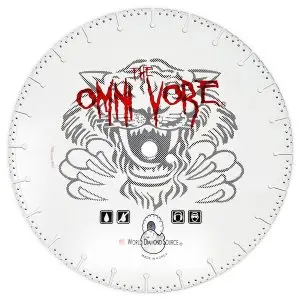
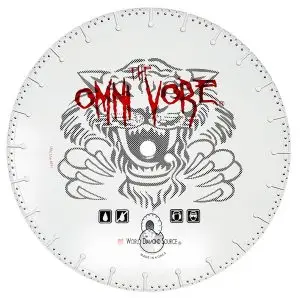
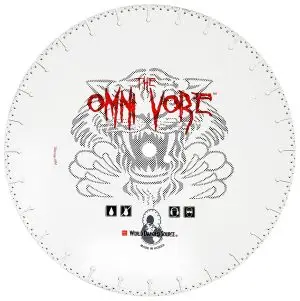
Increase your job site efficiency with the Omnivore® Diamond Blade. The first diamond blade designed to cut steel and a wide range of construction materials. Manufactured with high-quality diamonds, it delivers a long-lasting cut in ferrous metals and other materials traditional diamond blades won’t cut. Save valuable time and reduce your labor costs by avoiding constant blade changes.
Showing all 16 results


Showing all 16 results
Frequently Asked Questions
Can I use a diamond blade to cut metal?
Yes. Omnivore® blades are vacuum brazed diamond blades built for ferrous metals, and they cut steel, rebar, plate, pipe, rail and ductile iron. They are not intended for non-ferrous material such as aluminum or copper. Unlike an abrasive wheel they keep their diameter as they work, so the cut depth does not shrink through the job and the blade lasts far longer.
What sizes and arbors do you stock?
4", 4.5", 5", 6", 7", 8", 9", 10", 12", 14" and 16", so the range covers hand grinders through cut-off saws. The 12", 14" and 16" blades are .125" thick in 1" arbor, with 20 mm available on the 12" and 14". Small sizes run the standard grinder arbor.
What is the Omnivore® II, and what are the rail blades?
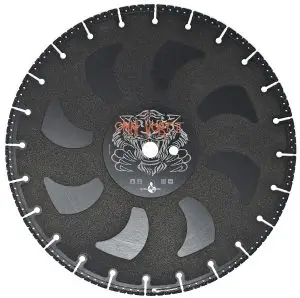
Omnivore® II is the second-generation 14" blade for metal. The Rail Cut blades, in 14" and 16", are built specifically for cutting rail, which is harder and more demanding than plate or pipe. Both are .125" on a 1" arbor. Omnivore® also cuts ductile iron faster than our dedicated Blue Thunder® blade, though Blue Thunder® lasts longer if ductile iron is most of your work.
How is this different from an abrasive cut-off wheel?
An abrasive wheel wears away as it cuts, gets smaller, throws heavy sparks and needs changing often. A brazed diamond blade holds its size, cuts cooler and cleaner, and outlasts a stack of abrasive wheels. On a crew making cuts all day the cost per cut usually favors the diamond blade clearly.
How do I get the most life out of one?
Let the blade reach full speed before it touches the work, use steady moderate feed rather than pushing, and keep it straight in the cut so the sides of the blade are not doing the work. Do not let it dwell in one spot, and let it cool between long cuts. Heat and side load are what kill a metal-cutting blade.
Not sure which tool fits your machine? Call 800-611-8278 and we will confirm before you order.